

The shift toward decentralized work environments is no longer a temporary trend; it is the cornerstone of the modern global economy. As we move through 2026, the challenge for organizations has shifted from “how do we work from home?” to “how do we maintain a unified culture across continents?” Scaling a team in this digital-first era requires a sophisticated mix of asynchronous communication, cultural intelligence, and robust digital architecture.
The Shift to Asynchronous Workflows
The traditional “9-to-5” synchronous model is rapidly becoming obsolete for international teams. To avoid “Zoom fatigue” and burnout, successful companies are adopting asynchronous-first policies. This means that work is documented in a way that allows a developer in Tokyo to pick up exactly where a designer in London left off, without needing a live meeting.
This transition relies heavily on centralized documentation. Every project requirement, code snippet, and design iteration must be logged in a “single source of truth.” When the workflow is transparent, the need for constant status updates diminishes, allowing employees to enter deep-work states more frequently.
Leveraging Interactive Onboarding
When a team is growing rapidly, the onboarding process is the first thing that usually breaks. To keep up with the pace of modern hiring, many HR departments are turning to interactive portals. These platforms use logic-based paths to guide new hires through their first week.
Integration is key here. For example, a specialized link slot within an internal dashboard can provide new employees with immediate access to their benefits, hardware requests, or training modules. This reduces the administrative burden on managers and empowers the new hire to take control of their own integration into the company.
Gamification and Employee Incentives
Maintaining morale in a virtual environment requires more than just a competitive salary. Humans are social creatures who thrive on recognition and small wins. Many forward-thinking startups are now integrating “micro-incentive” programs into their internal communication tools.
These programs often use a points-based system to reward peer-to-peer help, hitting milestones, or participating in wellness challenges. In some regions, community leads might even use a heylink bonus new member 100 bebes ip strategy to incentivize the adoption of new internal social platforms, ensuring that the digital office feels as lively and supportive as a physical one.
Security and Data Integrity in Decentralized Networks
With teams accessing company servers from thousands of different IP addresses, cybersecurity has become a top-tier priority. The “Zero Trust” architecture has become the standard in 2026. This approach assumes that no entity—inside or outside the network—is trustworthy by default.
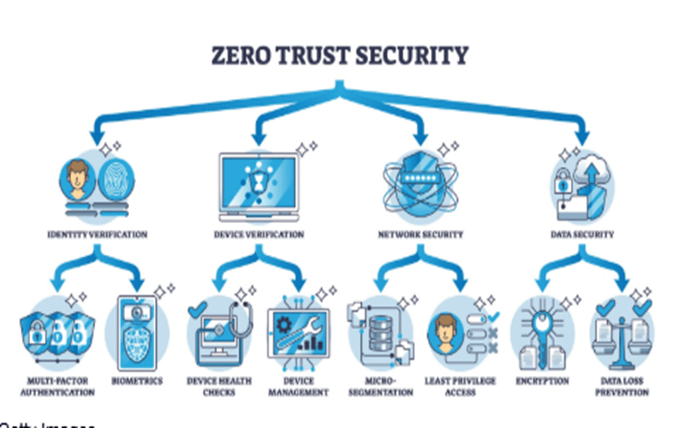
Key components of this security strategy include:
- Multi-Factor Authentication (MFA): Mandatory for every login attempt.
- Endpoint Management: Ensuring that every device used for work meets specific security patches.
- Encrypted Communication: Using end-to-end encryption for all internal messaging and file transfers.
By securing the “digital perimeter,” companies can allow their employees the freedom to work from anywhere—be it a home office, a co-working space, or a cafe—without risking sensitive client data.
The Role of AI in Management
Artificial intelligence is no longer just for generating text or images; it is now a fundamental part of team management. Predictive AI tools can now analyze “vibe” shifts in Slack or Discord channels, alerting managers to potential burnout or conflicts before they escalate. These tools don’t spy on content but rather analyze metadata and engagement patterns to ensure the team’s mental health remains a priority.
Furthermore, AI-driven project management tools can now automatically assign tasks based on an individual’s historical velocity and current workload. This removes the “human bias” from task delegation and ensures that no single team member is overwhelmed.
Conclusion
Scaling a team in 2026 is an exercise in balancing high-tech solutions with high-touch leadership. By prioritizing asynchronous communication, securing the digital workspace, and using creative incentives to keep engagement high, leaders can build organizations that are not only productive but also resilient to the rapid changes of the global market.